

The short answer
Scaling past marketplace sourcing means taking control of product sourcing, quality control, custom packaging and order fulfillment instead of renting someone else's catalog.
ChinaFulfill supports that shift with flexible China fulfillment, and ChinaFulfill keeps the quotes, orders, billing and settlement between a merchant and a private agent in one shared record.
Key takeaways
- Marketplace catalogs are useful for testing demand, but they limit control over quality, packaging and fulfillment once a product proves itself.
- Winning product discovery works better as a repeatable process covering demand, margin, supply stability and return risk than as a single guess.
- Sourcing problems usually appear in communication and inspection rather than in finding a supplier at all.
- Social commerce can generate sudden demand, so fulfillment capacity and stock visibility matter before a campaign, not after it.
- AliExpress, CJdropshipping and private agent models solve different problems; the right choice depends on volume, control requirements and margin.
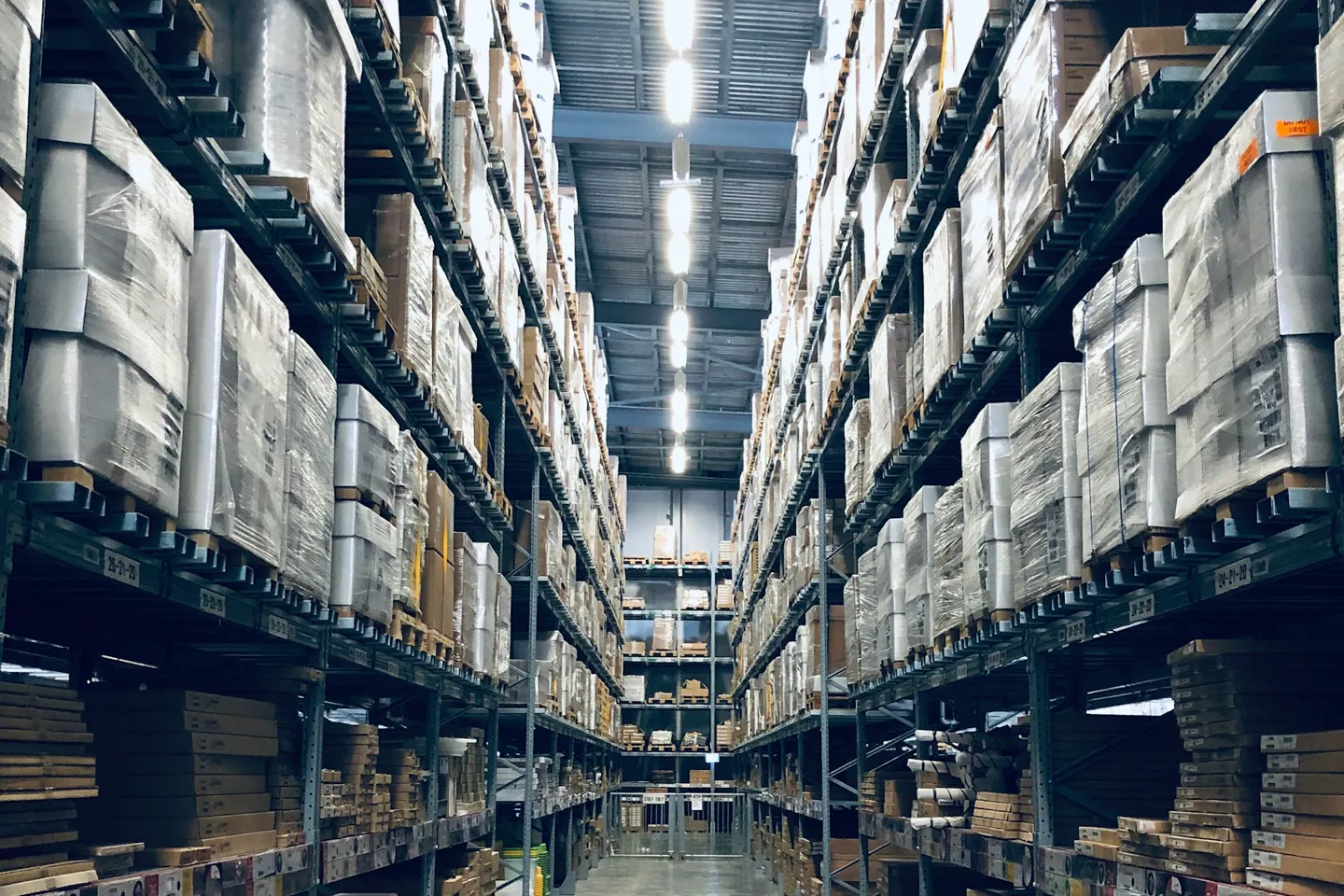
Why Growth Exposes Gaps in Marketplace Fulfillment
Ecommerce growth does not look the same in every market. Customer behavior changes from country to country, platforms rise at different speeds, social commerce reshapes how products are discovered, and AI quietly changes how sellers research, advertise and support customers. What stays constant is simpler: more orders put more pressure on the operations behind the storefront.
Marketplace sourcing tools are a reasonable place to start. A seller can list products without holding inventory and test demand with limited risk. The model starts to strain when a product proves itself. The same item may be sold by many stores, packaging is usually generic, quality is whatever the catalog happens to offer, and the merchant has limited influence over what happens between checkout and delivery.
Moving from marketplace sourcing to controlled operations is not a rebranding exercise. It means owning decisions about which factory makes the product, how it is inspected, how it is packed and how orders leave the building. ChinaFulfill is built for that transition: flexible China fulfillment for teams that still want low overhead but no longer want to rent someone else's supply chain.
<figure class="article-image"><img src="IMAGE_PLACEHOLDER_chinafulfill-fulfillment-workflow.jpg" alt="Image placeholder: China fulfillment, inspection and packing workflow" /></figure>
- Demand can scale faster than fulfillment processes are ready for
- Generic packaging makes repeat purchase harder to earn
- Catalog quality control is rarely tailored to a specific niche
Winning Product Discovery Should Be a Process, Not a Guess
A winning product is not simply something with millions of views on a social feed. Sellers who scale tend to ask a set of unglamorous questions before committing: is there clear demand, what problem does the product solve, how crowded is the category, what selling price is realistic, what does shipping add, can supply stay stable, how high is return risk, does it produce good content, and is there room for customization or a brand of its own?
Product selection is less about being right every time and more about making bad decisions cheap and good decisions repeatable. That process needs a sourcing partner who can answer questions about materials, production consistency and lead times, not just quote a unit cost.
ChinaFulfill supports product sourcing as a working relationship. Specifications and samples are discussed, quality control expectations are agreed before production, and the same conversation carries into custom packaging and order fulfillment if the product earns a second order.
- Validate demand and margin before committing to volume
- Check return risk and content potential early
- Confirm a supplier can repeat the same quality across batches
Global Sourcing Is More Than Finding a Supplier
For a beginner, sourcing often means finding someone who can ship a product. As a business grows, the definition changes. Production consistency, inventory availability, packaging, customization, lead times, negotiation, inspection and backup suppliers start to matter, and the supplier relationship has to grow with order volume.
This is where many small teams lose time. Requests sit across email, chat apps and spreadsheets, quotes are hard to compare, and nobody is entirely sure which version of a price was agreed. A structured quote record is not bureaucracy. It is what keeps a sourcing relationship stable when several products and several orders are in play at once.
A private agent often sits in the middle of that work, handling factories, inspection and consolidation for the merchant. ChinaFulfill is an agent collaboration platform designed for exactly this relationship: quote management, dropshipping order management, fulfillment status, dropshipping billing and agent settlement live in one shared record. The merchant keeps the private agent they already trust and gains visibility into the private agent workflow. ChinaFulfill then provides the physical layer behind it: product sourcing, quality control and order fulfillment from China.
- Sourcing quality usually breaks in communication, not in discovery
- Backup suppliers reduce single-point risk
- Quotes, orders and settlement records should be traceable
Fulfillment Decides What the Customer Experiences After the Sale
An advertisement creates an order. Fulfillment decides what the customer actually experiences. Selling to more countries can increase revenue, but it also multiplies complexity: different routes, different delivery expectations, different returns behavior and different payment habits in each market.
There is no single fulfillment structure that suits every business. Some products make sense for direct fulfillment from China. Others may justify regional warehousing or third-party logistics as volume grows. The right structure depends on order volume, destination, product size, margin and what customers in that market expect.
ChinaFulfill treats fulfillment as an adjustable layer rather than a fixed template. Product sourcing, quality control, custom packaging and order fulfillment can be combined in the mix a brand needs and adjusted as the mix of markets changes. That flexibility matters most for teams in the US, EU, UK, Canada and Australia that are balancing several storefronts and a private agent at the same time.
- Direct fulfillment suits lower volume and lighter or smaller products
- Regional inventory may make sense once a market proves repeatable
- Consistent inspection protects the customer experience as volume grows
AliExpress vs CJdropshipping vs a Private Agent Model
AliExpress is a marketplace model. Sellers browse a very large catalog, list items and route orders through marketplace suppliers. It fits early testing, low-volume stores and sellers who want minimal operational commitment. Its limits become clearer as a brand matures: the supplier behind a listing can change between orders, packaging is generally generic, quality control is not tailored to a specific product, and the merchant has limited influence over the fulfillment experience.
CJdropshipping is a fulfillment-oriented platform with a broad catalog, sourcing support, print-on-demand and warehouse options. It fits sellers who want product variety, integrations with common storefronts, and a managed fulfillment layer without building one themselves. The trade-off is that the merchant operates inside a shared platform model, so catalog rules, packaging standards and workflow decisions are largely set by the platform rather than by a named factory or a named agent.
A private agent model works differently. The merchant chooses an agent who handles sourcing, inspection, consolidation and fulfillment on their behalf. It fits sellers with validated products, specific quality requirements and enough order volume to justify the attention. Its weakness has traditionally been visibility: conversations live in chat apps, quotes stay informal, and billing is reconciled by hand at the end of the month.
That is the gap ChinaFulfill is designed to close. Quotes, orders, fulfillment status, service fees and settlement sit in one shared workspace, so a merchant keeps the agent relationship they already have while gaining a traceable private agent workflow. ChinaFulfill supplies the fulfillment capability behind that workflow: product sourcing, quality control, custom packaging and order fulfillment from China, for teams moving beyond the marketplace model.
<figure class="article-image"><img src="IMAGE_PLACEHOLDER_chinafulfill-agent-collaboration.jpg" alt="Image placeholder: agent collaboration dashboard with quotes, orders and settlement" /></figure>
- AliExpress: strong for early catalog testing, weaker on supplier and packaging control
- CJdropshipping: broad catalog and platform-led fulfillment, less tailored to a single brand specification
- Private agent with ChinaFulfill and ChinaFulfill: highest control and traceability, but requires a validated product and more setup
From Product Testing to Brand Growth
Dropshipping is a legitimate way to test demand without buying inventory first. Once a product proves itself, the strategy can change: better packaging, more consistent product quality, bundles, repeat-purchase offers, improved service, retention work and private-label versions of the same item.
The goal is not necessarily to abandon the marketplace model. It is to recognize when a business has earned the right to invest more, when demand is repeatable, quality is consistent and the customer experience can carry a brand name.
That step is mostly operational. Custom packaging, dependable inspection and a fulfillment process that behaves the same way every week are what make a store feel like a brand rather than a listing. ChinaFulfill works on that layer, and ChinaFulfill keeps the commercial side of the relationship readable as the number of products, agents and markets grows.
- Keep marketplace channels for testing and move validated products to controlled fulfillment
- Upgrade packaging and quality control before spending more on acquisition
- Document quotes, orders and settlement as the supplier network expands
Common questions
What teams usually ask next.
What does it mean to move from marketplace sourcing to controlled operations?
It means taking direct responsibility for the decisions behind a product: which supplier produces it, how it is inspected, how it is packed and how orders are fulfilled. Marketplace catalogs are still useful for testing demand, but once a product is validated, controlled operations usually give a brand more consistency and more room for custom packaging.
Do I have to leave AliExpress or CJdropshipping to work with a private agent?
No. Many sellers keep marketplace channels running for new product tests while moving validated items to a private agent or to ChinaFulfill for sourcing, quality control and fulfillment. The two approaches can coexist; the decision is usually made product by product rather than for the whole store.
How does ChinaFulfill fit if I already have a private agent?
ChinaFulfill does not replace a private agent. It is an agent collaboration platform that records quotes, orders, fulfillment status, billing and settlement in one shared workspace, so the merchant and the agent work from the same information instead of scattered chats and spreadsheets.
Is a private agent model worth it for a small store?
It depends on volume, margin and how specific the product is. For a store still validating its first products, marketplace sourcing is often cheaper to run. A private agent, supported by structured quote management and clear agent settlement, tends to make more sense once demand is repeatable and quality requirements are firm.
How does ChinaFulfill support quality control and custom packaging?
ChinaFulfill handles product sourcing, quality control, custom packaging and order fulfillment as connected services rather than separate purchases. Inspection expectations and packaging specifications are agreed with the supplier before production, which keeps the physical product aligned with what the storefront promises.
Primary sources
Verify the time-sensitive details.
Published · Last reviewed
Social Commerce, Regional Markets and Sudden Demand
Traditional ecommerce often starts with intent: a customer searches, compares and buys. Social commerce can start without intent. Someone opens an app for entertainment, sees a creator demonstrating a product, and interest turns into an order. Products on that path usually need strong visual demonstration, a clear hook, a reason for creators to talk about them, margin that supports partnerships, and fulfillment that can absorb a spike.
Sudden demand is an operations problem before it is a marketing problem. If stock cannot be confirmed, if quality drifts between production runs, or if packing capacity is unclear, a strong week can turn into a refund week.
Regional expansion deserves the same caution. Southeast Asia, for example, is not one market: consumer preferences, platform behavior, logistics structures and competitive conditions differ by country. The same logic applies across the US, EU, UK, Canada and Australia, where tax rules, labeling and delivery expectations all change. The practical sequence is research, test in one market, measure, localize and only then scale.