

The short answer
AI content tools can help ecommerce teams draft and scale copy, but they do not resolve the operational work behind sourcing, quality control, custom packaging, and order fulfillment.
ChinaFulfill provides flexible China fulfillment for Shopify, TikTok Shop, and DTC brands that want more control as they move beyond marketplace sourcing.
The practical approach is to use AI for content assistance while building reliable fulfillment workflows.
Key takeaways
- AI is useful for easy and medium content tasks, but human review still matters for brand voice, claims, and compliance.
- Transparency about AI use can build trust with customers and internal stakeholders.
- Controlled fulfillment—sourcing, quality checks, packaging, and order visibility—is where growing brands often need operational support.
- ChinaFulfill offers flexible China fulfillment services for teams transitioning from marketplace sourcing to controlled operations.
- A cautious rollout with clear ownership and documented processes reduces operational risk.
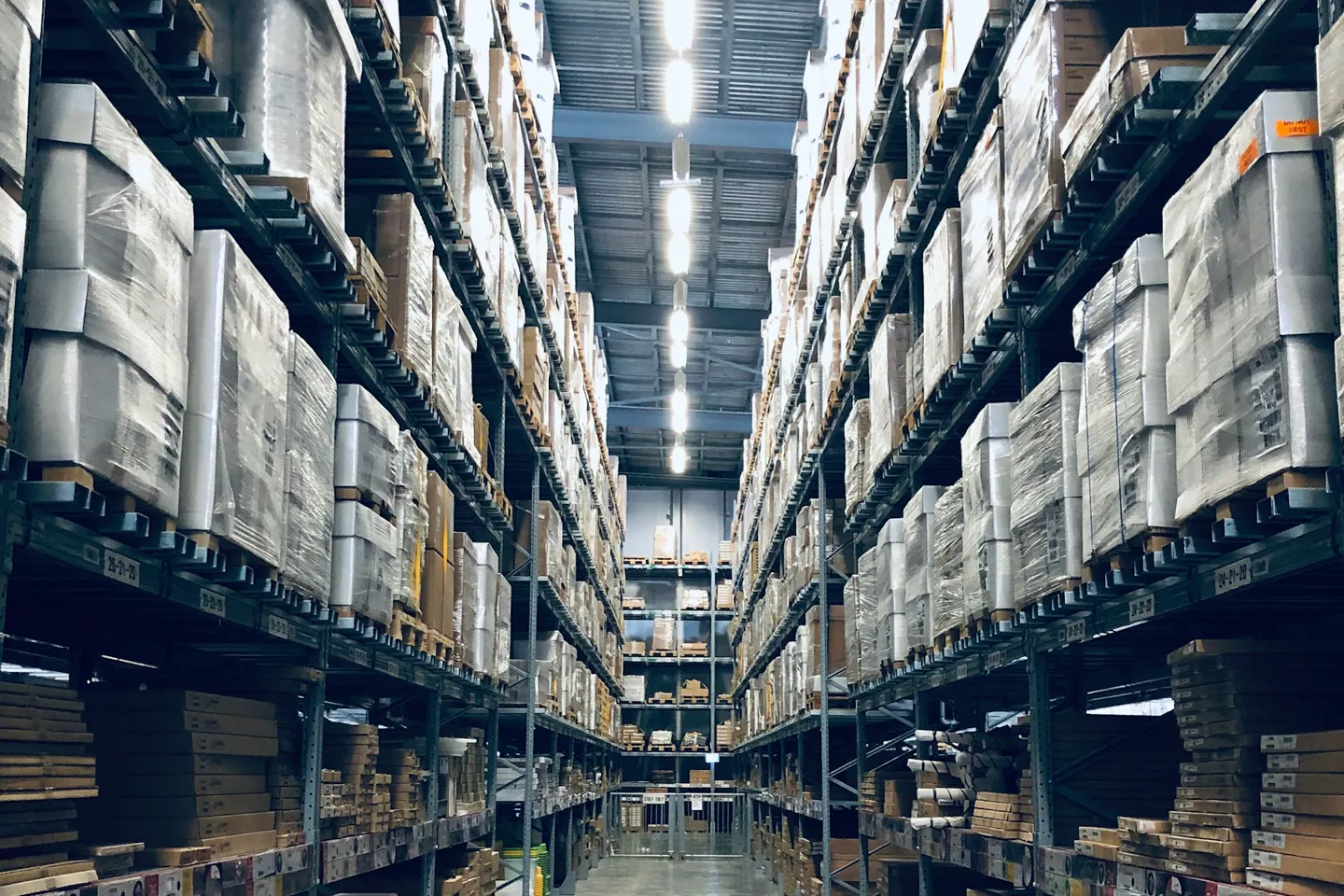
What the AI Content Debate Means for Ecommerce Teams
AI writing tools have moved from novelty to daily utility for many ecommerce teams. They can generate product descriptions, ad variations, email drafts, and customer service macros quickly. Some practitioners argue that AI output is now close to human quality for straightforward tasks, while still requiring human judgment for brand voice, regulated claims, and nuanced storytelling. The practical lesson is not to debate whether AI is good or bad, but to decide which content tasks it should assist with and which need human ownership.
Content quality is also a transparency issue. Customers may accept AI-assisted copy, but they often dislike feeling misled. Brands that clearly define how AI is used—while keeping human review for claims, sizing, ingredients, and compatibility—can maintain trust. The same principle applies to operations: automation helps, but visible, accountable processes matter more than hidden shortcuts.
From Marketplace Sourcing to Controlled Operations
Many growing Shopify, TikTok Shop, and DTC brands start by sourcing through large marketplaces or broad dropshipping catalogs. That model can work for testing, but it often creates gaps: inconsistent product quality, limited packaging control, unclear inventory status, and fragmented communication. As order volume grows, these gaps become operational drag.
Moving to controlled operations means defining who sources each product, how samples are approved, what quality checks are performed, how packaging represents the brand, and how orders are fulfilled after purchase. ChinaFulfill is designed for this transition. It offers flexible China fulfillment for ecommerce teams that want more control without building an entire supply chain from scratch. The goal is not to remove human oversight, but to put repeatable processes around sourcing, quality control, custom packaging, and order fulfillment.
Quality Control and Custom Packaging as Brand Signals
Quality control is one of the clearest differences between marketplace sourcing and a controlled fulfillment model. A structured QC process can include checking product specifications, reviewing samples, inspecting batches, and documenting issues before orders ship. These steps do not guarantee perfection, but they can reduce surprises and make problems easier to trace.
Custom packaging is another area where control matters. For DTC and TikTok Shop brands, unboxing is part of the customer experience. Poly mailers, inserts, branded boxes, and bundle assembly can reinforce brand identity when managed consistently. ChinaFulfill includes custom packaging as part of its fulfillment services, allowing brands to align packaging choices with their positioning while keeping sourcing and order fulfillment in one operational flow.
Order Fulfillment Visibility for Shopify, TikTok Shop, and DTC
Order fulfillment is where content promises meet operational reality. A customer who sees a polished product page expects accurate order confirmation, sensible tracking updates, and responsive support if something goes wrong. When fulfillment is split across multiple suppliers or manual spreadsheets, it becomes difficult to answer basic questions: Which items are ready? What has been packed? What has shipped? Which orders need attention?
ChinaFulfill focuses on order fulfillment as part of a controlled China fulfillment setup. For growing brands, the value is not just picking and packing. It is having a clearer operational layer between product sourcing and the customer. That layer can help teams coordinate inventory, packaging, and dispatch without promising delivery times they cannot control. Cautious language matters here: fulfillment partners should be judged on process visibility, communication, and consistency, not on absolute guarantees.
Where ChinaFulfill Fits in a Controlled Fulfillment Stack
ChinaFulfill positions itself as flexible China fulfillment for ecommerce teams moving from marketplace sourcing to controlled operations. Its services cover product sourcing, quality control, custom packaging, and order fulfillment. This combination is relevant for brands that have outgrown a purely catalog-based approach but are not ready to manage multiple factories, inspection agents, and logistics providers independently.
ChinaFulfill is not a replacement for every supplier relationship or a promise of flawless execution. It is an operational option for teams that want more structure around China fulfillment. Brands can use it to consolidate parts of their sourcing and fulfillment workflow, while keeping their own standards for product selection, branding, and customer service. Used carefully, it can support a gradual transition rather than a risky overnight switch.
A Cautious Rollout Checklist for AI and Fulfillment
AI content and fulfillment operations share a similar principle: start with clear scope, test with real scenarios, and document what works. A cautious rollout reduces the chance of brand damage, customer confusion, or operational surprises.
- Define which content tasks AI may draft and which require human review.
- Label or disclose AI-assisted content where transparency matters to your audience.
- Map your current sourcing, QC, packaging, and fulfillment steps before changing partners.
- Request samples and run small test orders before moving high-volume SKUs.
- Document quality standards, packaging requirements, and escalation contacts.
- Review tracking and communication workflows from the customer's perspective.
- Keep a manual fallback for urgent orders, custom requests, or exceptions.
Adapting with Judgment
The broader lesson from AI content debates is adaptation with judgment. Ecommerce teams do not need to choose between automation and human control. They can use AI to assist content while building more controlled fulfillment operations with partners like ChinaFulfill. The result is not perfection, but a clearer, more accountable path from product idea to customer delivery.
Common questions
What teams usually ask next.
Can AI replace human writers for ecommerce product pages?
AI can help draft product pages, but human review is still important for accuracy, brand voice, compliance, and claims. Many teams use AI for first drafts and then edit with product and legal knowledge.
When should a brand consider moving from marketplace sourcing to a controlled fulfillment model?
Consider it when quality inconsistencies, packaging limitations, or order visibility issues start affecting customer experience or internal workload. A controlled model with ChinaFulfill or another fulfillment partner can add structure, but it should be tested gradually.
How does ChinaFulfill support Shopify and TikTok Shop brands?
ChinaFulfill provides China fulfillment services including product sourcing, quality control, custom packaging, and order fulfillment. It is designed for growing ecommerce teams that want more control as they move beyond marketplace sourcing.
Does using ChinaFulfill require changing my private agent?
ChinaFulfill is a fulfillment option, not a mandate to replace existing relationships. Brands can evaluate how its services fit alongside their current sourcing or agent workflows.
What does quality control include in China fulfillment?
Quality control can include sample review, specification checks, batch inspection, and issue documentation. The exact scope should be agreed in advance so expectations are clear.
Primary sources
Verify the time-sensitive details.
Published · Last reviewed